Full Auto Repair Services You Can Trust
Reliable auto repair solutions play an essential role in vehicle upkeep. Trustworthy mechanics keep cars operating smoothly while guaranteeing safety on the road. Essential qualities, like clear communication and straightforward pricing, prove fundamental. Nevertheless, many vehicle owners remain unsure about what to expect from their repair facilities. Learning these factors can greatly impact the longevity of their vehicles and the quality of their driving experiences. What are the key factors to consider?
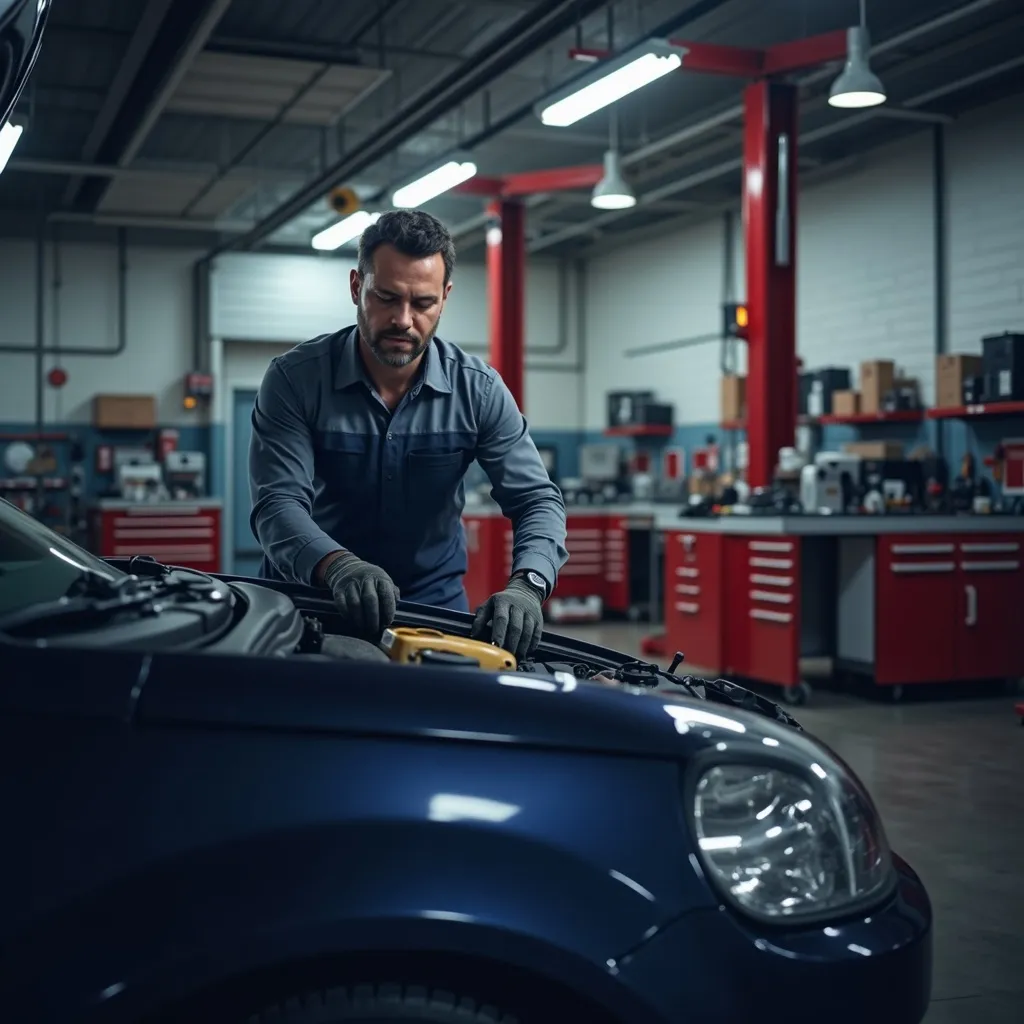
Why Quality and Dependable Auto Repair Options Matter
Dependable auto repair services are important for preserving vehicle performance and safety, as they significantly affect a driver's time on the road. Consistent maintenance and swift repairs ensure that vehicles work effectively, lowering the chance of malfunctions and accidents. A regularly maintained vehicle does not only boosts safety but also lengthens its lifespan, in the end saving owners money over time.
In addition, trusted services establish faith between mechanics and car owners, forming a partnership that centers on the vehicle's maintenance. When drivers feel confident they can rely upon their service provider, they are more ready to manage difficulties in a timely manner, keeping small issues from turning into major repairs. This proactive approach boosts better mileage and overall performance.
Within an increasingly intricate transportation industry, the necessity of trustworthy vehicle repair services must be emphasized. They serve as a cornerstone for pleasant and secure travels, enabling motorists to navigate the roads with confidence.
Important Traits of a Credible Mechanic
A reliable mechanic has key traits that foster confidence in their services. Effective communication skills guarantee that customers understand the issues and solutions presented, while transparent pricing practices strengthen trust and prevent misunderstandings. Together, these qualities create a reliable foundation for proficient auto repair.
Powerful Dialogue Competencies
Effective communication serves as a cornerstone of trust between mechanics and their clients. A mechanic who possesses strong communication skills can clarify complex automotive issues in simple terms, ensuring clients fully understand the situation. This transparency not only reduces concerns but also cultivates a collaborative relationship, where clients sense appreciation and respected. Listening is just as crucial; a reliable mechanic genuinely interacts with clients, responding to their questions and concerns with patience and empathy. Such interactions establish confidence, as clients are more likely to come back to a mechanic who shows genuine interest in their needs. Ultimately, effective communication improves the overall customer experience, reinforcing the mechanic's reputation for dependability and professionalism in the auto repair industry.
Open Pricing Practices
Clear rate structures constitute a fundamental aspect of a dependable mechanic's reputation. Customers seek openness regarding service costs, which fosters reliance and pleasure. A mechanic who presents comprehensive bids in advance, including labor and supplies, curtails the danger of unexpected outlays. This transparency empowers clients to formulate informed determinations about their vehicle repairs. Furthermore, exhibiting a price list for common undertakings can fortify credibility, as it evinces veracity and transparency in transactions. Mechanic shops that communicate any conceivable ancillary costs before work begins show expertise and deference for the customer's budget. To conclude, transparent pricing not only builds lasting associations but also encourages repeat business, as gratified customers are more likely to advocate for the service to others.
What Services Should You Demand From a Service Center?
When seeking auto repair services, customers should be cognizant of the range of offerings available at a repair shop. Basic maintenance services, diagnostic and repair solutions, as well as specialty services, are crucial components of thorough vehicle care. Understanding these services can help individuals make informed decisions about their vehicle needs.
Essential Servicing Services Accessible
Although many vehicle owners may overlook the importance of consistent maintenance, understanding the core services offered by a repair shop is key for keeping a car in top shape. Routine maintenance usually involves changing engine oil, tire rotations, and brake inspections. These services assist in making sure that important parts function properly and safely. Additionally, checking and replacing fluids such as coolant and transmission fluid is important for optimal performance. Many repair centers also provide battery inspections and wiper blade replacements to boost vehicle reliability. Regular maintenance not only extends the useful life of a vehicle but can also increase fuel efficiency. Vehicle owners should keep informed about these essential maintenance points to preserve their cars and prevent bigger problems ahead.
Diagnostic and Maintenance Solutions
A range of diagnostic and repair solutions are essential services provided by auto repair shops to resolve vehicle issues efficiently. These services generally include extensive diagnostic testing, which utilizes sophisticated equipment to detect problems ranging from engine malfunctions to electrical failures. Technicians analyze error codes and perform visual inspections to locate issues accurately. Following diagnosis, repair services may include standard repairs such as brake replacements, fluid changes, or battery installations. Additionally, shops often provide expert repairs for components like transmissions and exhaust systems. A reliable repair shop ensures that all repairs are executed with precision, adhering to manufacturer specifications and safety standards, ultimately restoring vehicle performance and longevity. Trust in these services is fundamental for preserving a vehicle's reliability.
Specialty Services Available
Specialty offerings provided by auto service centers play an crucial role in guaranteeing thorough vehicle care. These offerings often encompass advanced diagnostics, hybrid and electric vehicle repairs, and engine optimization. Shops may also provide aftermarket exhaust systems, suspension enhancements, and wheel alignment services tailored for particular driving requirements. Additionally, some locations offer detailing services that include interior and exterior cleaning, paint protection, and ceramic sealant. Tire offerings, such as rotation and balancing, are also vital, as they enhance safety and performance. Moreover, specialized technicians may concentrate on specific brands or vehicle types, ensuring expert knowledge and service quality. Collectively, these specialty offerings help maintain vehicle longevity and optimize overall performance, making them indispensable to every vehicle owner.
Evaluating Auto Repair Shops examine repair facilities
What factors should you consider when assessing the reliability of an auto repair shop? Assessing a shop's reputation is vital; customer reviews and review ratings give information about their work quality. Online platforms and service directories specializing in automotive services often display comments from previous clients, which can help measure credibility. Moreover, qualifications and associations with professional bodies reveal a commitment to professional standards.
Yet another important aspect is the shop's transparency pertaining to pricing and services. A reputable shop will deliver detailed estimates and explain vital repairs devoid of demands. It's also beneficial to visit the shop in person; cleanliness, organization, and caliber of equipment can reflect professionalism.
Finally, requesting advice from friends or family can point toward trustworthy options. By examining these components, one can make knowledgeable decisions when choosing an auto repair shop, securing a constructive result and dependable service for their vehicle needs.
Tips for Establishing a Lasting Connection With Your Mechanic
Trust is vital in creating a long-term relationship with a mechanic. To build this trust, regular communication is necessary. Customers need to inquire about repairs and services to verify they understand the work carried out. Regularly going back is significant; returning to the same mechanic helps provide a clearer view of the vehicle’s service history and requirements.
An important element is openness regarding anticipations and concerns. Clients who communicate their driving habits and choices enable mechanics to provide customized advice and service. Furthermore, showing appreciation for good work through positive feedback can strengthen the relationship. Ultimately, being punctual and respectful during visits shows commitment and reliability, additionally solidifying the partnership. By developing these practices, car owners can create a lasting partnership with their mechanic, leading to improved service and peace of mind.
Smart Tips to Trim Repair Charges
Many vehicle operators seek out effective strategies to minimize maintenance bills without compromising quality. One smart strategy is to maintain regular vehicle maintenance, which can avoid costly maintenance in the future. Staying on top of oil changes, tire rotations, and fluid checks guarantees that minor issues are resolved before they get worse.
In addition, explore here reviewing and comparing prices from various service providers can generate substantial savings. Many establishments feature promotions and discounts, and customer rewards programs can additionally lower outlays. Vehicle owners should also contemplate learning basic maintenance skills, which can reduce spending for labor costs for minor concerns.
Moreover, obtaining components via online platforms or wholesale sources can be more economical than depending entirely on a shop's markup. Finally, developing a relationship with a dependable mechanic can result in tailored guidance and potential discounts, creating a reciprocal partnership that reduces costs in the long term.
Popular Inquired Questions
How do I confirm whether my auto technician has valid certification?
To identify if a mechanic is certified, one should validate industry-recognized certifications, such as ASE. Additionally, examining client feedback and confirming their involvement in professional organizations can provide further assurance of their qualifications.
What Guarantees Can I Require on Fixed Equipment?
Customers should expect guarantees spanning from 90 days to two years on parts and labor. Established shops frequently provide documented assurances, ensuring peace of mind and demonstrating confidence in their quality of repairs and service commitment.
How often Should I Get My Car maintained?
Experts suggest servicing a car every 5,000 to 7,500 miles, or every six months, whichever comes first. Regular maintenance ensures peak performance, extends vehicle lifespan, and helps identify potential issues before they escalate.
Can I use My Own components for Repair?
Yes, customers can often bring their own components for repair. However, it's essential to confer with the repair shop prior to, as some may have policies regarding assurances or coverage associated with externally sourced parts.
What Can I Do if I'm Unhappy With the Service?
In cases of discontent, the client should first express grievances directly to the service provider. Recording issues and seeking solutions via discussion frequently results in satisfactory resolutions, reinforcing why clear communication matters in customer interactions.